
Group Long-Term Care Insurance: How Employer Plans Work — and Where Long-Term Risk Returns
Group long-term care insurance tends to arrive without drama. It’s offered quietly, often alongside other workplace benefits, framed as optional protection for something far in the future.
For many people, that framing creates relief. Long-term care is checked off the list. Planning feels complete.
That sense of closure is the problem.
Group long-term care insurance does help in specific ways. But its structure introduces control, timing, and durability risks that do not show up until years later—when adjustment is no longer possible.
This guide explains what group long-term care insurance actually does well, where it breaks down, and why employer involvement changes the risk profile in ways most people never examine.
What Group Long-Term Care Insurance Actually Is
Group long-term care insurance is coverage made available through an employer, union, or association rather than purchased directly by an individual.
It typically features:
Simplified or relaxed underwriting
Standardized benefit options
Payroll-based premium collection
Limited customization
These traits lower entry barriers. That is the core benefit.
But they also shift control away from the individual—and control is the currency that matters most in long-term care planning.
The Access Advantage — and Its Ceiling
Group plans often allow people to qualify who might struggle with individual underwriting. Fewer health questions. No exams. Broader acceptance for managed conditions.
That access can be meaningful, especially for:
Older employees
People with moderate health history
Couples seeking parallel enrollment
But group access has a ceiling. Benefit amounts, inflation protection, and elimination periods are often capped by plan design, not personal need.
Entry is easier. Exit flexibility is not.
Employer Control Is the Structural Fault Line
The single biggest difference between group and individual long-term care coverage is who controls the plan.
In group arrangements:
The employer selects the carrier
The employer defines participation terms
The employer can modify or discontinue the plan
Employees are participants, not owners.
This matters because long-term care planning spans decades. Employers do not operate on that timeline. Business priorities change. Benefit structures evolve. What exists today is not guaranteed to exist later.

Portability: The Risk That Appears at the Worst Time
Portability determines whether coverage survives employment changes. This is where many group plans quietly fail.
Some plans allow:
Conversion to individual coverage
Continued participation post-employment
Others do not.
Even when conversion is allowed, it often comes with consequences:
Premiums reset or increase
Inflation riders freeze
Benefit structures change
The problem is timing. Employment transitions often occur years before care is needed. Conversion decisions are made long before outcomes are visible—and mistakes are permanent.
ERISA and the Limits of Individual Recourse
Many group long-term care plans fall under employer-governed benefit frameworks. That means disputes, changes, or discontinuations follow employer-level rules, not individual consumer protections.
In practical terms:
Employees have limited negotiating power
Plan changes may be applied broadly
Individual preferences carry little weight
This does not mean group plans are unsafe. It means they are not individually defensible.
Benefit Design vs Real Care Timelines
Group long-term care insurance is typically designed around simplified benefit triggers and durations.
Real care rarely follows clean timelines.
High-cost scenarios often involve:
Gradual cognitive decline
Long memory-care durations
Escalating supervision needs
Group plans with lower daily benefits or short durations exhaust quickly in these cases—often just as care intensity increases.
The gap is not sudden. It widens slowly, then becomes irreversible.
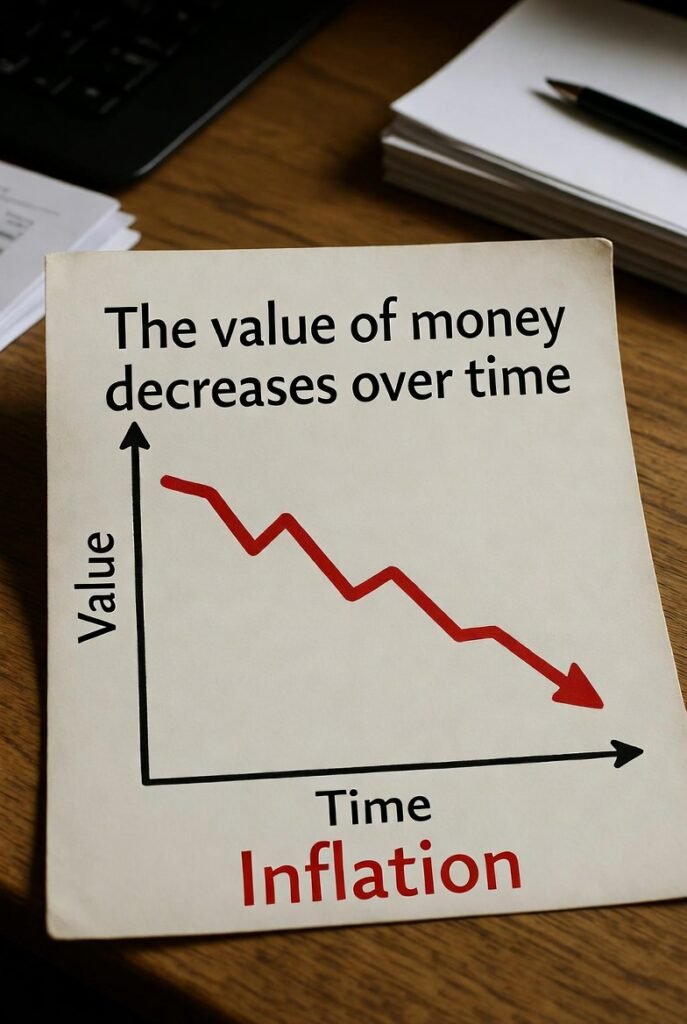
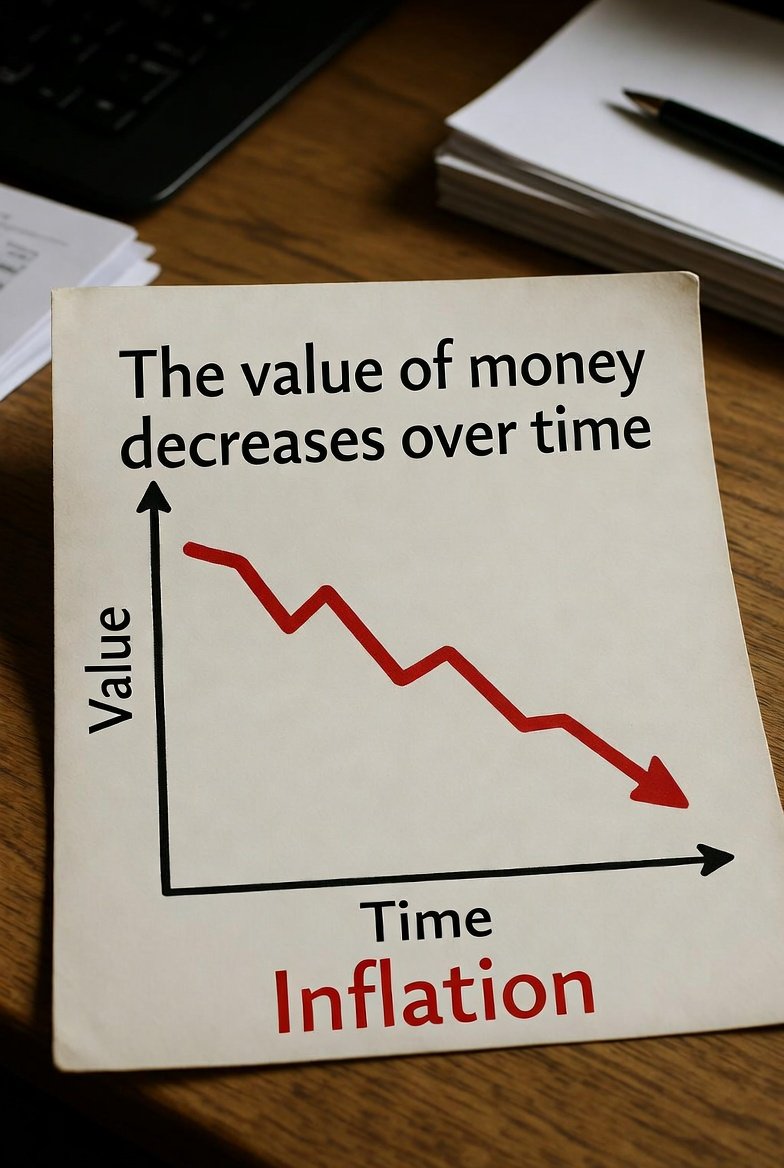
Inflation Protection: Where Group Plans Age Poorly
Inflation protection is one of the most critical elements of long-term care planning.
Group plans frequently offer:
Reduced inflation adjustments
Step-rate increases
Or none at all
This creates a delayed failure mode. Coverage looks adequate in the first decade. Two decades later, it covers a shrinking fraction of actual costs.
This erosion is rarely obvious until benefits are needed.
Premium Stability Is Not Guaranteed
Group premiums often begin lower than individual policies. That advantage is real—but incomplete.
Over time:
Group pricing can be adjusted
Subsidies may be removed
Cost-sharing structures can change
Unlike individual policyholders, group participants have limited ability to respond. Dropping coverage later in life often means losing protection permanently.
The risk is not just higher premiums. It is loss of optionality.

Family Enrollment: Helpful, Not Comprehensive
Some group plans allow spouses or family members to enroll.
This can simplify access. It does not solve:
Different care timelines
Divergent health paths
Portability mismatches
Family enrollment reduces friction. It does not unify outcomes.
When Group Long-Term Care Insurance Works Best
Group coverage tends to work best when:
It is treated as supplemental, not complete
Portability rules are clearly understood
Inflation assumptions are conservative
The household has other planning layers
In these cases, group insurance can reduce early exposure and buy time.
Where Group Coverage Quietly Fails
Group long-term care insurance most often fails when:
It is treated as a finished solution
Employer stability is assumed
Inflation risk is ignored
Conversion decisions are deferred
Family caregiving assumptions go untested
Failure usually arrives through passive optimism, not bad intent.
Cognitive Decline Exposes the Weakest Point
Cognitive decline is where group plans are most stressed.
Memory-care timelines are longer. Costs escalate faster. Care settings shift.
Group plans with modest benefit caps and limited inflation protection often deplete early—leaving families exposed precisely when care becomes least flexible.
This is not a flaw unique to group plans. It is where their limits become visible first.
The Boundary That Matters
Here is the clean boundary:
Group long-term care insurance improves access. It does not guarantee durability.
It lowers barriers. It does not eliminate long-term risk.
Treating it as complete protection is the planning error.
Who Should Re-Examine Their Group Coverage
Group coverage deserves a closer look if:
Retirement is within 10–15 years
Employment changes are likely
Inflation protection is unclear
Coverage feels “set and forget”
Family caregiving is assumed
Long-term care planning punishes delayed scrutiny.
Where This Page Stops
This page does not recommend or reject group long-term care insurance.
Its role is narrower:
For a broader comparison of employer plans, individual insurance, and alternatives over time, see the full decision framework.
to make the control boundary visible before options disappear.
That boundary—not the benefit summary—is what preserves choice later.